
To combat this, California’s largest utilities now fund tens of billions in wildfire mitigation: system hardening through undergrounding and covered conductors, vegetation management, and operational protocols including Public Safety Power Shutoffs (PSPS), and fast-trip settings. Annual operations and maintenance costs for California's three largest investor-owned utilities increased 155% ($3.4 billion) between 2010 and 2022 alone, with wildfire risk driving much of this growth*.
These financial and operational pressures are now spreading across the Western United States and beyond, as utilities everywhere grapple with aging infrastructure and intensifying weather events. These essential safety investments have created a critical trilemma for the industry: the competing mandates of risk reduction, system reliability, and ratepayer affordability.
To help resolve this trilemma, Gridware is scaling Active Grid Response (AGR) as a pillar of modern utility operations. Unlike systems that only detect electrical anomalies, AGR empowers operators to MEASURE physical, electrical, and environmental factors; UNDERSTAND these signals at the span and circuit level; and ACT on them to improve safety and reduce outages.
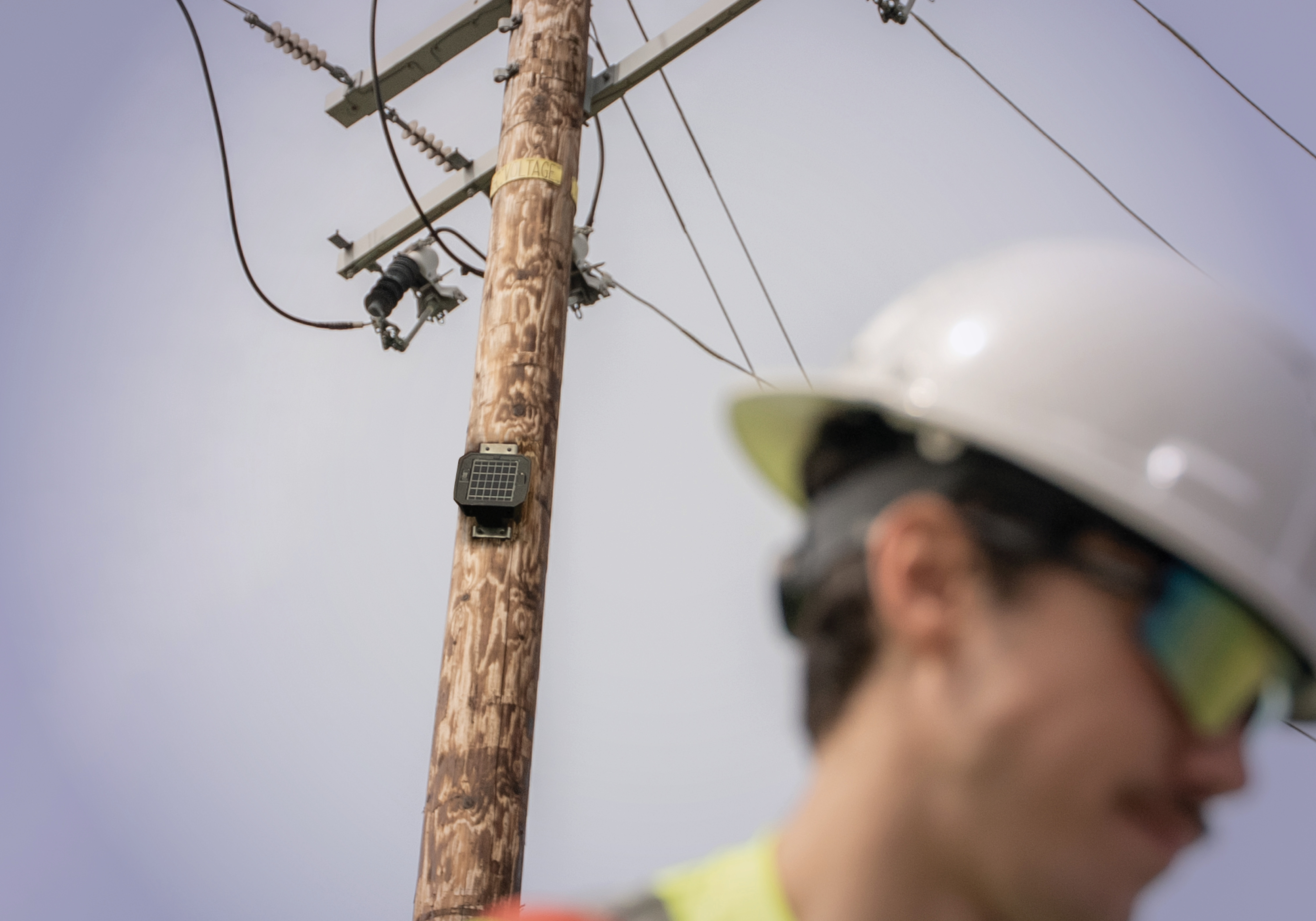
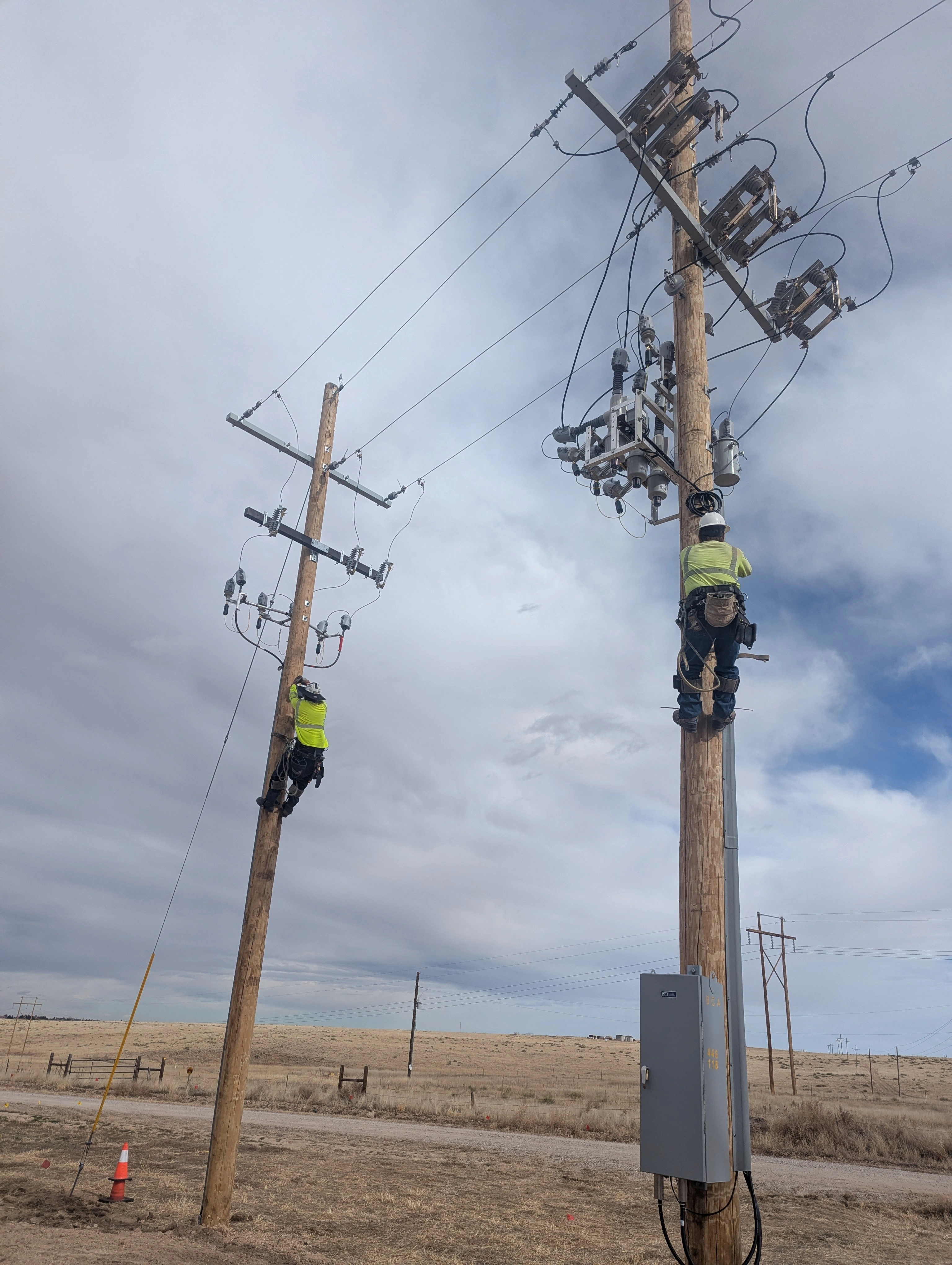
We built Gridware’s AGR platform on multi-sensor, independently powered Gridscope devices, placing real-time intelligence into the hands of dispatchers and line workers so they can safely and quickly respond to hazards including wires down, vegetation contact, or broken poles while reducing hazard awareness delay, accelerating restoration time, and avoiding ignitions. Pinpointing a hazard's exact type, location, and severity before dispatch also reduces crew exposure during patrols and minimizes public risk through faster hazard removal.
Combined with fast-trip protective settings, AGR can further reduces ignition risk by catching ignition-prone faults that fast-trip settings miss, such as high-impedance faults (HIFs), while also reducing reliability impacts by localizing faults faster to enable quick reenergization. Early detection enables rapid intervention to prevent ignition, or where ignitions happen immediately, it enables fast response to mitigate wildfire spread.
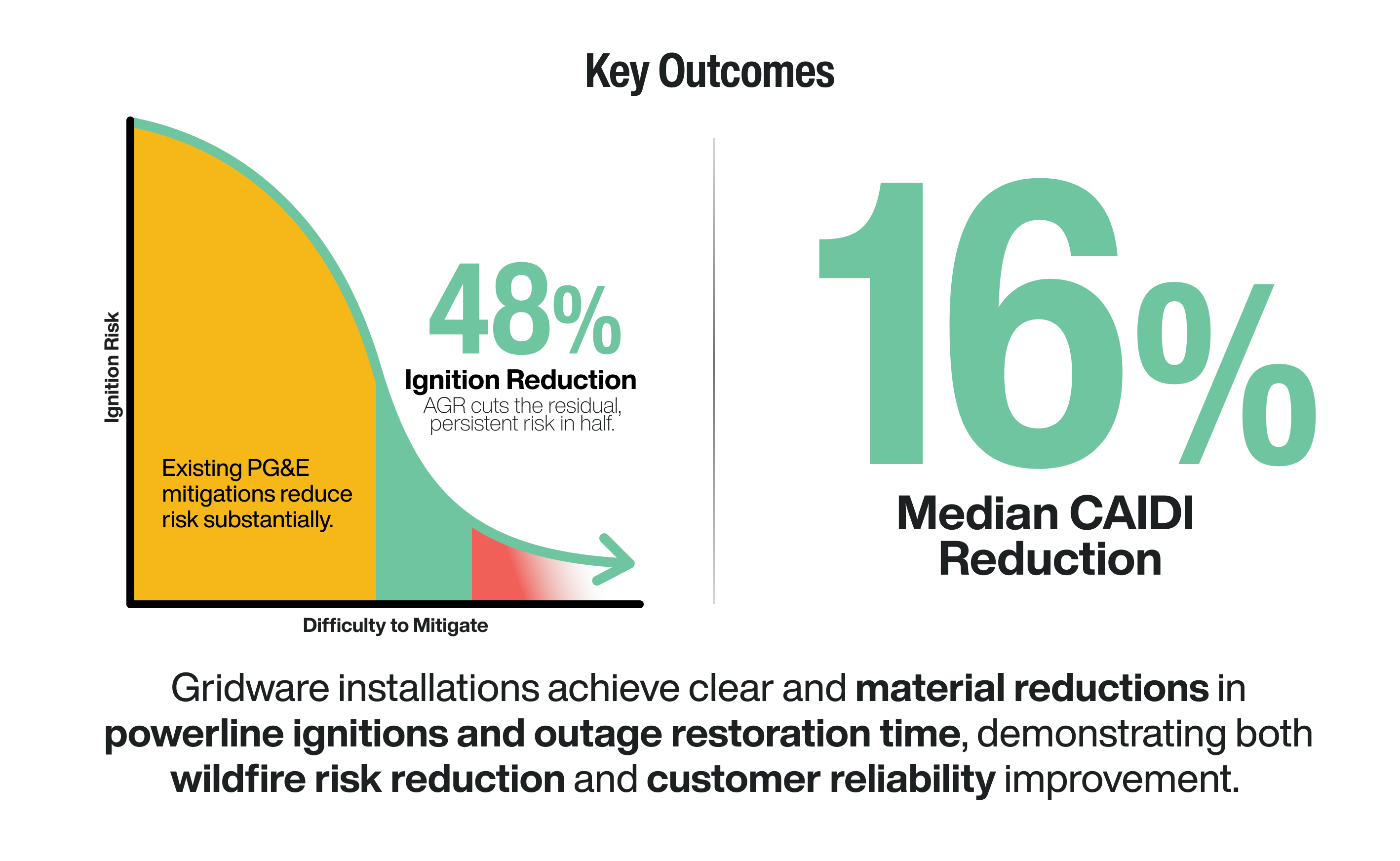
Now, using four years of high-resolution ignition, outage, and deployment data from PG&E's service area (2022-2025), we know that AGR is adding significant value in preventing and mitigating wildfires while improving reliability.
Gridware partnered with Cody Warner, project scientist, University of California, Berkeley, to conduct a rigorous, independent evaluation of AGR across PG&E's territory in Northern California.
The researchers employed a differences-in-differences (DID) methodology to compare ignition avoidance and reliability impacts in high-risk areas monitored by Gridware against unmonitored control groups.
The findings prove both significant and impactful:
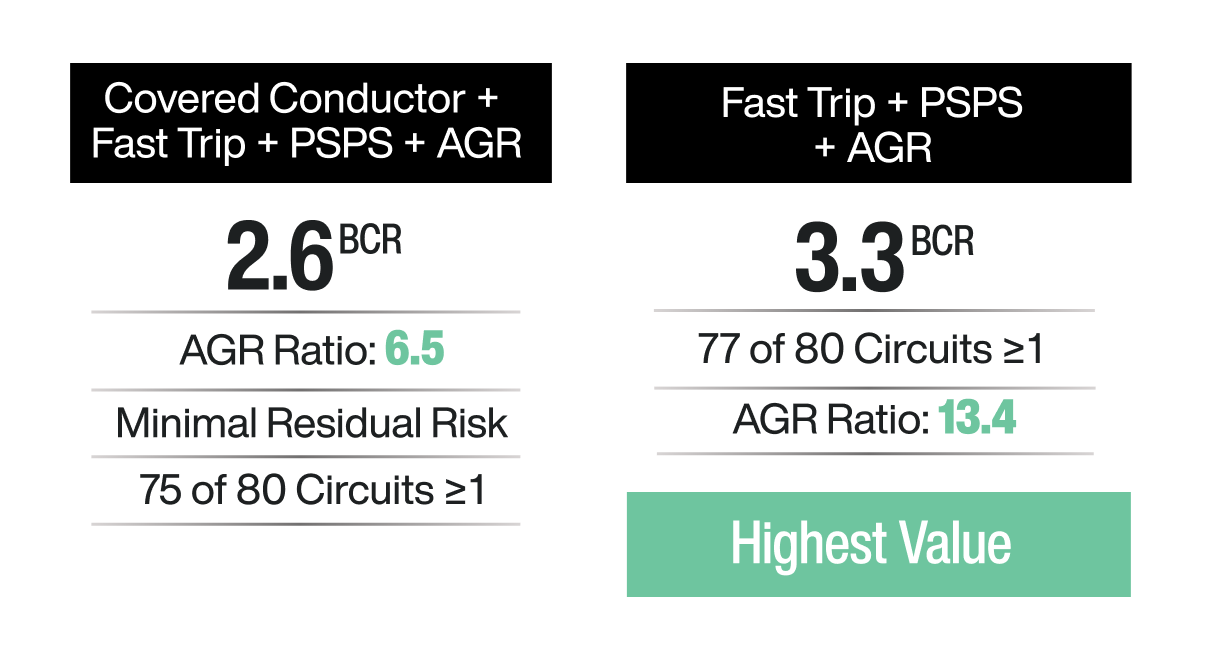
The study includes a benefit-cost analysis of wildfire mitigation strategies across PG&E's 80 highest-risk circuits covering nearly 5,000 miles, combining empirical effectiveness measures with modeled avoided wildfire damages, reliability impacts, and costs.
The analysis found that pairing Gridscopes with operational strategies delivers a benefit-cost ratio of 3.3. The marginal contribution of AGR alone was a 13.4 ratio. Beyond economics, the most critical factor was time to risk reduction. AGR can be deployed today, delivering measurable risk reduction immediately.
In short, this study presents the first empirical evaluation of an Active Grid Response platform, Gridware's Gridscope technology, analyzing its effectiveness across ignition prevention and outage reductions.
I encourage you to review the full study here.
Gridware thanks Cody Warner at University of California, Berkeley, for this independent analysis, and our utility partner PG&E for their continued collaboration.
We would also like to thank reviewers for their insightful comments, including Ann Rendahl, Commissioner, Washington Utilities and Transportation Commission and President of the National Association of Regulatory Utility Commissioners (NARUC); Melissa Semcer, Chief
Strategist and President, CWE Strategies; Michael Wara, Senior Director, Policy, Sustainability Accelerator, Stanford Doerr School of Sustainability; Pacific Gas & Electric staff; and Gridware staff. Funding for this research was generously provided by Gridware, Inc.
Please contact Gridware if you have any questions or would like to discuss the findings at https://www.gridware.io/contact. We look forward to hearing from you.
*Singh, M., Ong, A. & Sud, R. Wires and fire: Wildfire investment and network cost differences across California’s power providers. The Electricity Journal 38, 107475 (2025).